


When it comes to helping your child maintain a healthy smile, choosing the right toothbrush matters. Many parents wonder whether electric toothbrushes are better for kids or if a traditional manual brush works just as well.
The good news is that both types of toothbrushes can be effective when used correctly. However, electric toothbrushes may offer some advantages, especially for younger children who are still developing good brushing habits.
Let’s take a closer look at the differences and how to choose the best toothbrush for your child.
Electric vs. Manual Toothbrushes for Kids
Electric and manual toothbrushes are both effective at removing plaque and protecting against cavities. What really matters is how well your child brushes.
Manual Toothbrushes
Manual toothbrushes are simple, affordable, and widely available. However, they require proper technique and consistent brushing for the full two minutes recommended by dental professionals. Younger children may find it challenging to maintain the correct motion or brush long enough to clean all areas of their mouth effectively.
Benefits:
- Easy to find and inexpensive
- Lightweight and easy for small hands
- No charging or batteries required
- Available in many kid-friendly designs
Electric Toothbrushes
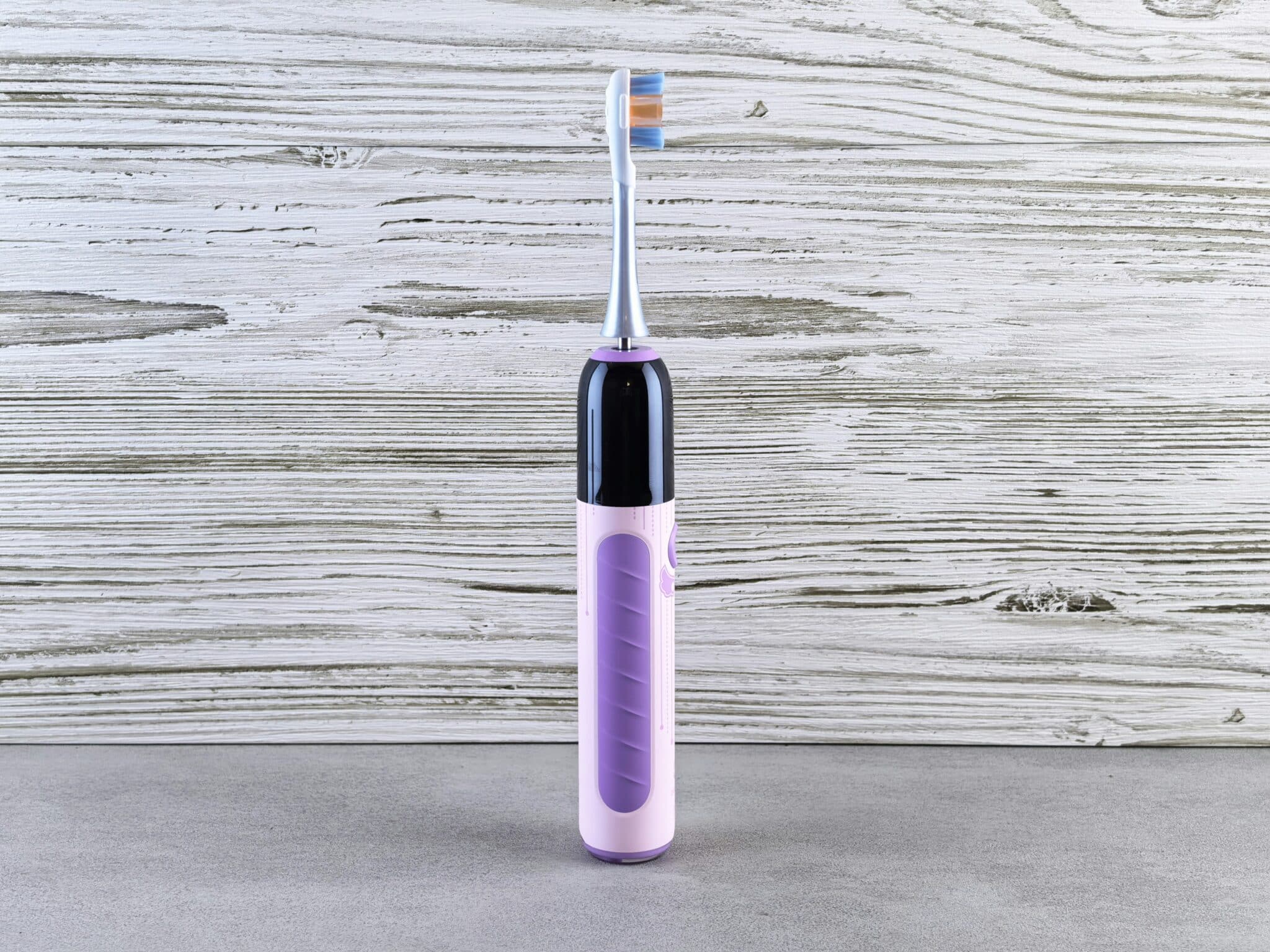
Electric toothbrushes use rotating or vibrating bristles to help remove plaque and clean teeth more effectively. Many children find electric toothbrushes more exciting to use, which can make brushing feel less like a chore and encourage better daily habits.
Benefits:
- Helps remove plaque with less effort
- Built-in timers encourage brushing for the full two minutes recommended by dental professionals
- Fun features, like lights or music, can motivate kids to brush longer
- Helpful for children with limited motor skills
When Are Electric Toothbrushes Helpful for Kids?
Electric toothbrushes can be especially beneficial for children who:
- Have difficulty brushing thoroughly
- Have braces or orthodontic appliances
- Have sensory or motor skill challenges
- Need extra motivation to brush consistently
Parents should still supervise younger kids when using an electric toothbrush to ensure all surfaces of the teeth are thoroughly cleaned.
How to Choose the Best Toothbrush for Your Child
Whether you choose an electric or manual toothbrush, look for these important features:
- Soft bristles – gentle on gums and enamel
- Small brush head – easier to reach back teeth
- Comfortable grip – designed for smaller hands
When selecting an electric toothbrush, choose a model designed specifically for children, with gentle bristles and appropriate settings.
Brushing Tips for Kids
No matter which toothbrush you choose, these habits matter most:
- Brush twice a day for two minutes
- Use a fluoride toothpaste appropriate for your child’s age
- Replace toothbrushes every 3–4 months or sooner if bristles fray
- Help younger children brush until about age 7–8
The goal is to make brushing consistent, effective, and even fun.
The Bottom Line
So, are electric toothbrushes better for kids?
Electric toothbrushes can make brushing easier and more engaging for many children, but manual toothbrushes are just as effective when used correctly. Ultimately, the best toothbrush is the one your child will use consistently and properly.
If you are unsure which option is best for your child, the team at Tebo Dental is here to help. During your child’s next visit, we can provide guidance on choosing the right toothbrush and techniques to keep their smile healthy.
Frequently Asked Questions about Toothbrushes
Are electric toothbrushes safe for children?
Yes, electric toothbrushes designed for children are safe and effective when used properly. When choosing a model, look for soft bristles and gentle settings that are appropriate for developing teeth and gums.
At what age can a child use an electric toothbrush?
Many children can start using an electric toothbrush around age three, though parents should supervise to ensure proper brushing technique.
Do electric toothbrushes clean better than manual brushes?
Studies suggest electric toothbrushes may remove slightly more plaque, particularly for children who have difficulty maintaining proper brushing technique. However, both types of toothbrushes can be effective when used correctly and consistently.
What is the best toothbrush for a child?
The best toothbrush for children features soft bristles, a small head, and a comfortable grip. Whether electric or manual, it should be easy for your child to use and help encourage consistent, effective brushing.
How often should kids replace their toothbrush?
Children should replace their toothbrush every 3–4 months, or sooner if the bristles become frayed or worn down.